Updated: 01/27/2026
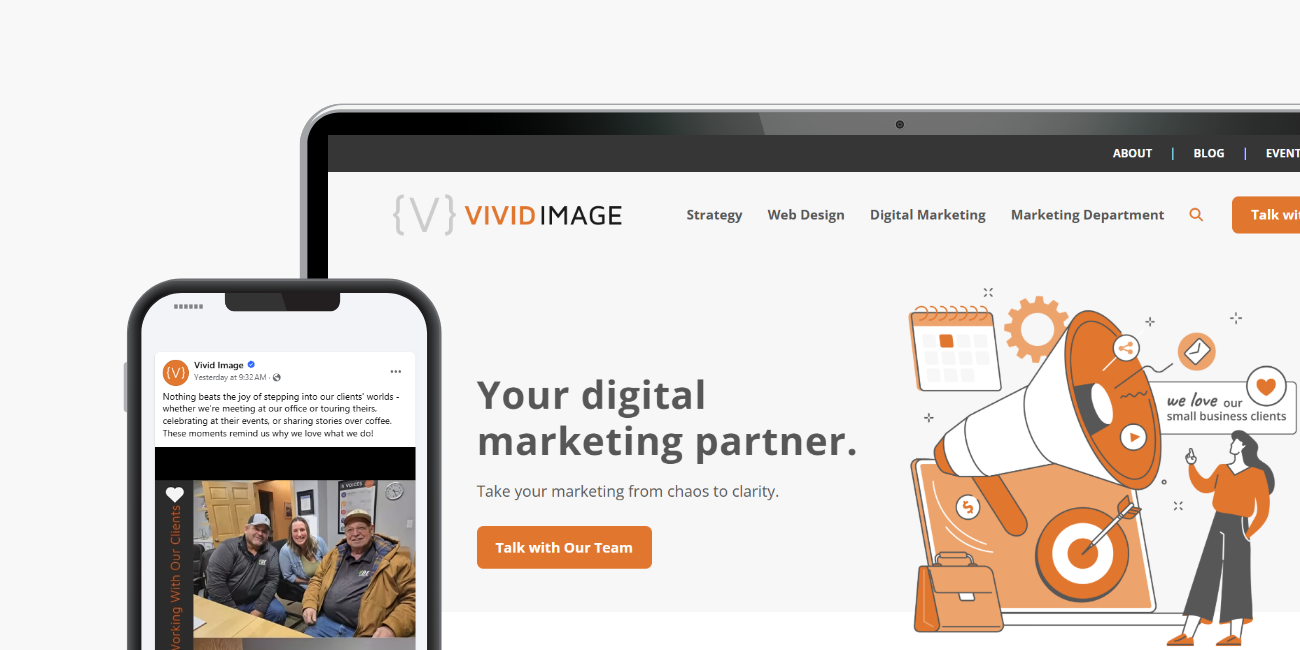
Your logo represents your company, but one size doesn’t always fit all when it comes to branding across multiple platforms. From social media to business cards, flyers, and your website, your logo needs to be adaptable while maintaining brand consistency. That’s where having multiple logo variations comes in.
Maintaining Brand Identity
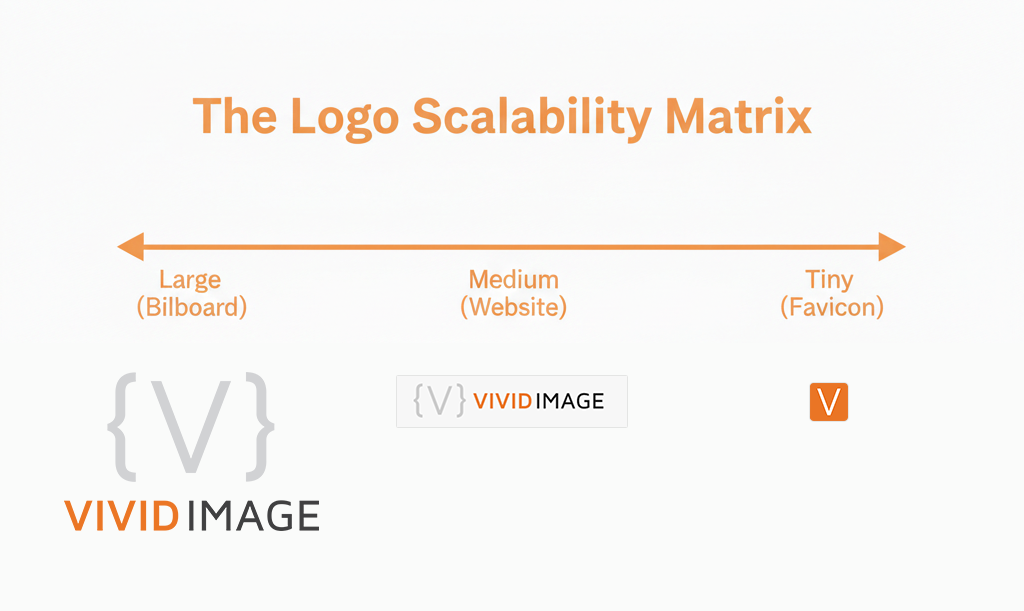
A brand’s identity should remain the same regardless of where the logo appears. Creating logo variations helps to maintain brand recognition while making sure that the best design is used for each application. You typically will want to have a primary logo, which is the full version of your logo that can be used in most places.
A professional Brand Identity Kit typically includes:
- Primary Logo: The full, detailed version of your logo.
- Secondary Logo: A “stacked” or “horizontal” alternative to the primary design.
- Logo Icon: A standalone graphic or “mark” for small spaces.
Comparison Table
| Logo Version | Best Use Case | Key Benefit |
|---|---|---|
| Primary | Signage, Brochures | Full brand impact |
| Secondary | Website Headers | Space efficiency |
| Icon / Mark | Social Media | Legibility at small sizes |
| Reverse (White) | Dark Backgrounds | High contrast & clarity |

Primary Logo
Secondary Logo

Logo Icon
Color Variations: Full-color, all-black, and “reversed” all-white versions for different backgrounds.
Improve Readability & Impact
In today’s world, a single logo variation isn’t always enough to meet the demands of diverse platforms and materials. Having multiple logo variations ensures versatility, brand recognition, readability, and professionalism. Whether on social media or in print, an adaptable logo as part of your Brand Identity Kit allows your brand to shine in every context.
Frequently Asked Questions
At a minimum, you need four: a Primary logo, a Secondary (Horizontal/Stacked) version, a simplified Icon for social media, and a one-color (Black/White) version for specialized printing.
This usually happens when the wrong file type is used. For websites, using an SVG (Scalable Vector Graphic) version ensures your logo stays crisp at any size, from mobile screens to 27-inch monitors.
A reverse logo is a version specifically designed for dark or busy backgrounds—usually turning all elements to white—to ensure the brand remains visible without a clashing background box.
Need Some Logo Variations Created?
We’re here to help! Our expert designers can create the logo you need or audit what you have and let you know what you need.